The Forgotten Man Who Created the FIFA World Cup: The Extraordinary Story of Jules Rimet
SevensSportsArena
10 comments
Football has given the world countless heroes. Pelé inspired generations with his brilliance. Diego Maradona mesmerised fans with unforgettable moments.
Lionel Messi completed one of the greatest careers in sporting history by lifting the FIFA World Cup in Qatar.
Every four years, billions of people pause their lives to watch football's greatest tournament unfold. Stadiums become cathedrals of emotion, entire nations unite behind their teams, and history is written before the eyes of the world.
But behind every dramatic final, every iconic goal and every trophy celebration lies a question that surprisingly few football supporters have ever asked.
Who made the FIFA World Cup possible?
Most fans can name every World Cup winner.
Many know who scored the winning goal in famous finals or which nation has lifted the trophy the most times. Yet very few recognise the man whose vision transformed football forever.
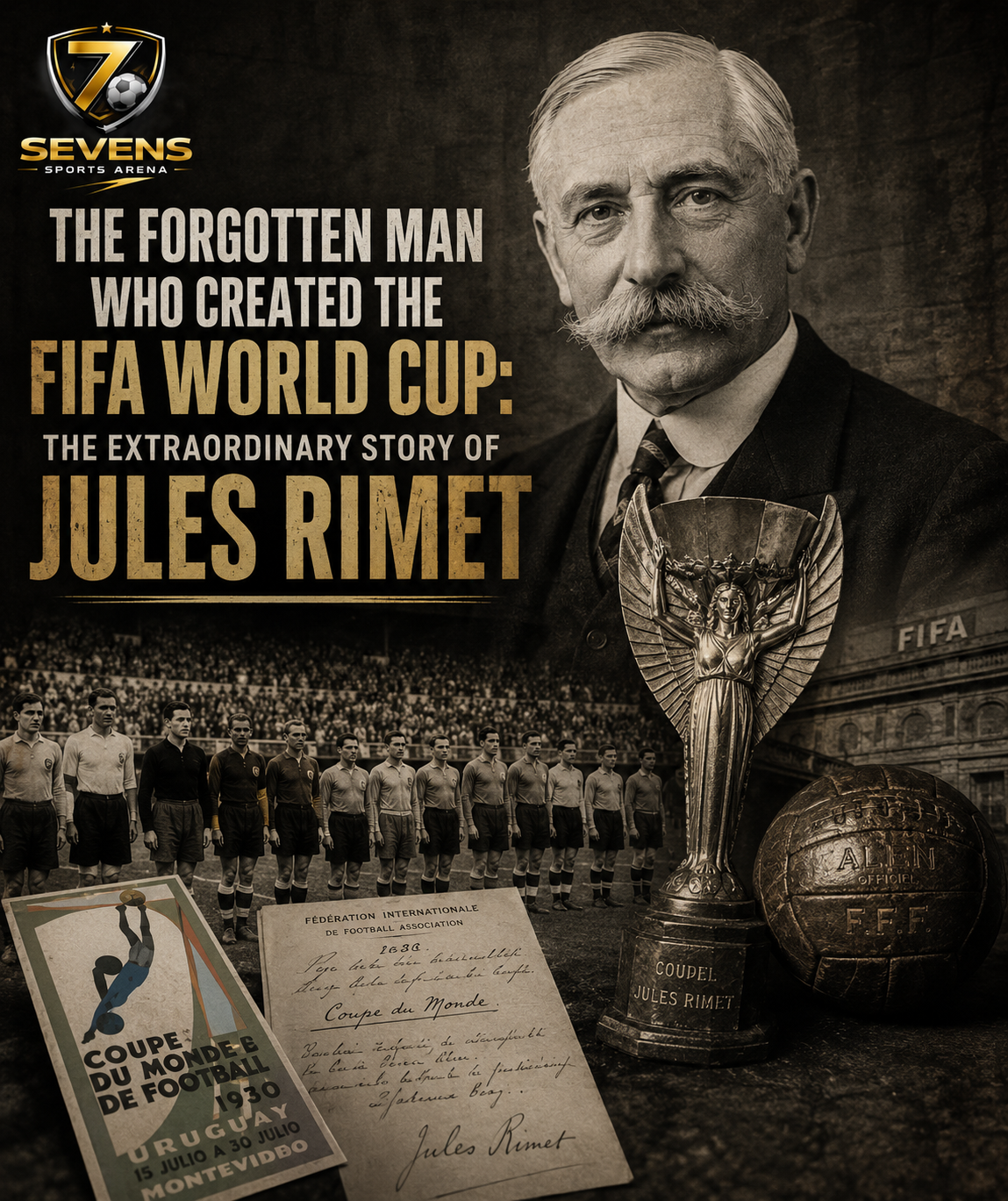
His name was Jules Rimet.
He was not a legendary striker. He never won the Ballon d'Or. He never managed a national team or lifted the famous trophy himself. Instead, he accomplished something even greater.
He imagined a competition that many believed could never exist and spent years turning that impossible dream into reality.
Without Jules Rimet, there might never have been a FIFA World Cup.
A Visionary Before His Time
Jules Rimet was born on 14 October 1873 in the small French village of Theuley.
His family later moved to Paris, where he developed an interest in law, society and, most importantly, football. During this period, Europe was experiencing enormous social and political change. Sport was becoming increasingly popular, but football was still far from the global phenomenon it is today.
Unlike many influential figures in football history, Rimet was not famous because of his ability on the pitch. His greatest strength was his vision.
He believed football had a unique power to bring people together regardless of wealth, religion or nationality. At a time when class divisions were common across Europe, this was a remarkably progressive belief.
In 1897, he founded Red Star Football Club, one of France's oldest football clubs. From the beginning, the club welcomed players from different social backgrounds, reflecting Rimet's conviction that football should belong to everyone rather than a privileged few.
Those ideas would shape the rest of his life. While others focused on building successful clubs, Rimet dreamed much bigger. He imagined football becoming a language spoken across continents—a sport capable of connecting nations through peaceful competition rather than conflict.
Few realised then that his greatest contribution to football was still decades away.
When Football Had No World Cup
Today, it seems impossible to imagine football without the FIFA World Cup.
Every child who kicks a ball dreams of one day representing their country on the biggest stage. Yet for much of football's early history, no such competition existed.
International football was limited mainly to friendly matches and the Olympic Games.
While Olympic football attracted considerable attention, strict amateur regulations meant many of the world's finest professional players could not participate. The tournament was respected, but it could never truly determine the best football nation on Earth.
Meanwhile, football itself was growing rapidly. Domestic leagues were attracting larger crowds every year.
Clubs were becoming more organised, rivalries more intense and international matches more competitive. The game had clearly outgrown the structure available to it.
Despite this, many football administrators believed a worldwide tournament would be impossible.
Travelling between continents required long sea voyages lasting weeks rather than hours. Financial resources were limited, communication was slow and political tensions between nations often complicated international cooperation.
Bringing teams together from Europe, South America and beyond appeared unrealistic.
To most people, the idea belonged only in fantasy.
To Jules Rimet, it represented football's future.
When he became FIFA President in 1921, he inherited an organisation with growing influence but without a defining international competition. He believed FIFA needed more than administration.
It needed a tournament that would unite the football world under one banner.
His proposal would change sport forever.
The Dream Everyone Said Would Fail
The road to creating the FIFA World Cup was anything but straightforward.
Many football officials questioned why another international tournament was necessary. Others argued that the Olympic Games already fulfilled that role.
Some feared clubs would refuse to release players, while others worried that the financial cost would be impossible to justify.
Perhaps the greatest obstacle of all was geography.
Commercial air travel did not yet exist. European teams would have to spend more than two weeks crossing the Atlantic Ocean by ship simply to participate.
The journey alone discouraged several national associations from supporting the proposal.
Yet Jules Rimet refused to abandon his vision.
Year after year, he travelled across Europe attending FIFA meetings, speaking with football officials and persuading national associations that football deserved its own world championship.
Each rejection only strengthened his determination.
His persistence finally paid off in 1928 during FIFA's Congress in Amsterdam. After years of discussion, delegates voted to establish a new international tournament organised exclusively by FIFA.
For Rimet, it was the breakthrough he had spent almost a decade pursuing.
One enormous question remained.
Who would host the first tournament?
The answer came from South America.
Uruguay, one of the strongest football nations of the era and winners of the previous two Olympic football tournaments, volunteered to host the inaugural competition. The country was also celebrating the centenary of its independence and offered to cover travel expenses for visiting teams.
It was an offer FIFA could not ignore.
The first FIFA World Cup was officially scheduled for 1930.
Even then, many doubted it would succeed.
The Tournament That Changed Football Forever
As preparations gathered pace, scepticism remained widespread.
Several European nations declined to participate because of the lengthy journey across the Atlantic. Newspapers questioned whether supporters would care about a tournament taking place thousands of miles away.
Some believed the event would fail before it even began.
Eventually, thirteen nations accepted the invitation.
Seven represented South America, four came from Europe and two travelled from North America.
Although modest by modern standards, it was a remarkable achievement considering the technological limitations of the time.
Players, coaches and officials spent weeks aboard ships crossing the ocean before arriving in Montevideo.
On 13 July 1930, history was made.
The FIFA World Cup officially began.
The atmosphere was unlike anything football had experienced before. Supporters filled stadiums eager to witness a tournament created solely to crown the world's greatest national team.
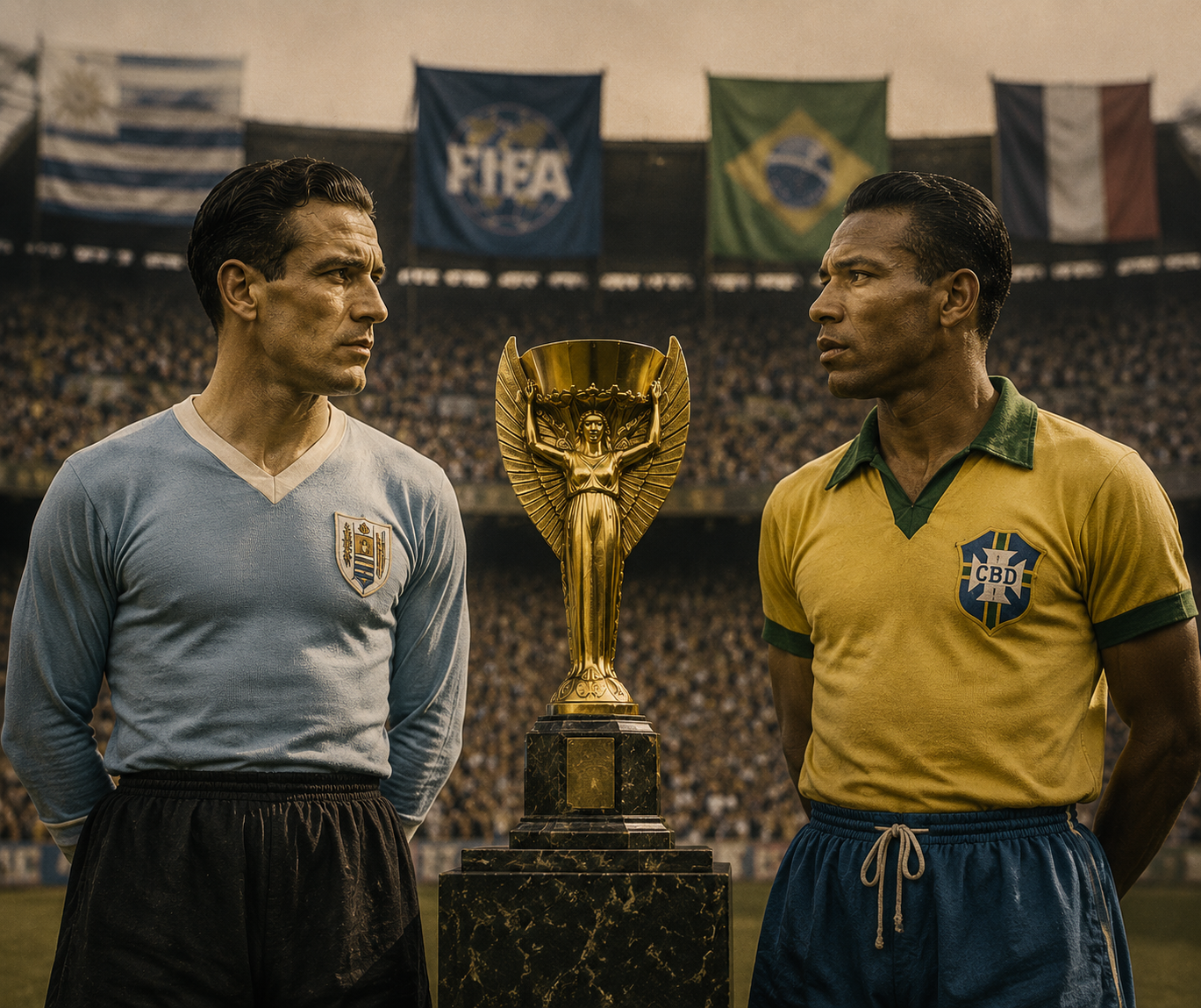
As the competition progressed, Uruguay demonstrated why they had entered as favourites. Backed by passionate home support, they reached the final against neighbours Argentina in what became one of football's earliest great rivalries.
Nearly 70,000 spectators packed the Estadio Centenario to witness history.
After an enthralling contest, Uruguay defeated Argentina 4–2 to become the first FIFA World Cup champions.
For Jules Rimet, the victory represented far more than a football result.
It proved that his vision had been right all along.
The world wanted a World Cup.
The Trophy That Carried His Name
In recognition of his extraordinary contribution, FIFA later named the original World Cup trophy after Jules Rimet.
Designed by French sculptor Abel Lafleur, the elegant gold trophy became one of football's most treasured symbols. For decades, players dreamed of lifting the famous Jules Rimet Trophy after conquering the world.
The trophy developed an incredible history of its own.
Before the 1966 FIFA World Cup in England, it was stolen while on public display.
The disappearance shocked football supporters across the globe and launched an extensive police investigation.
Days later, an ordinary dog named Pickles discovered the missing trophy wrapped in newspaper beneath a hedge during a walk with his owner.
The remarkable story instantly became part of football folklore.
Brazil later earned the right to keep the Jules Rimet Trophy permanently after winning their third World Cup in 1970.
Unfortunately, tragedy struck once again in 1983 when the trophy was stolen from the Brazilian Football Confederation's headquarters.
Despite numerous investigations, it has never been recovered and is widely believed to have been melted down.
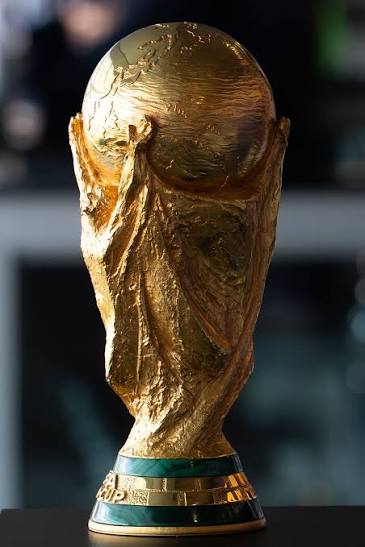
Today, the modern FIFA World Cup Trophy has replaced it, but the original remains one of the most iconic prizes in sporting history.
The Legacy of the Man the World Forgot
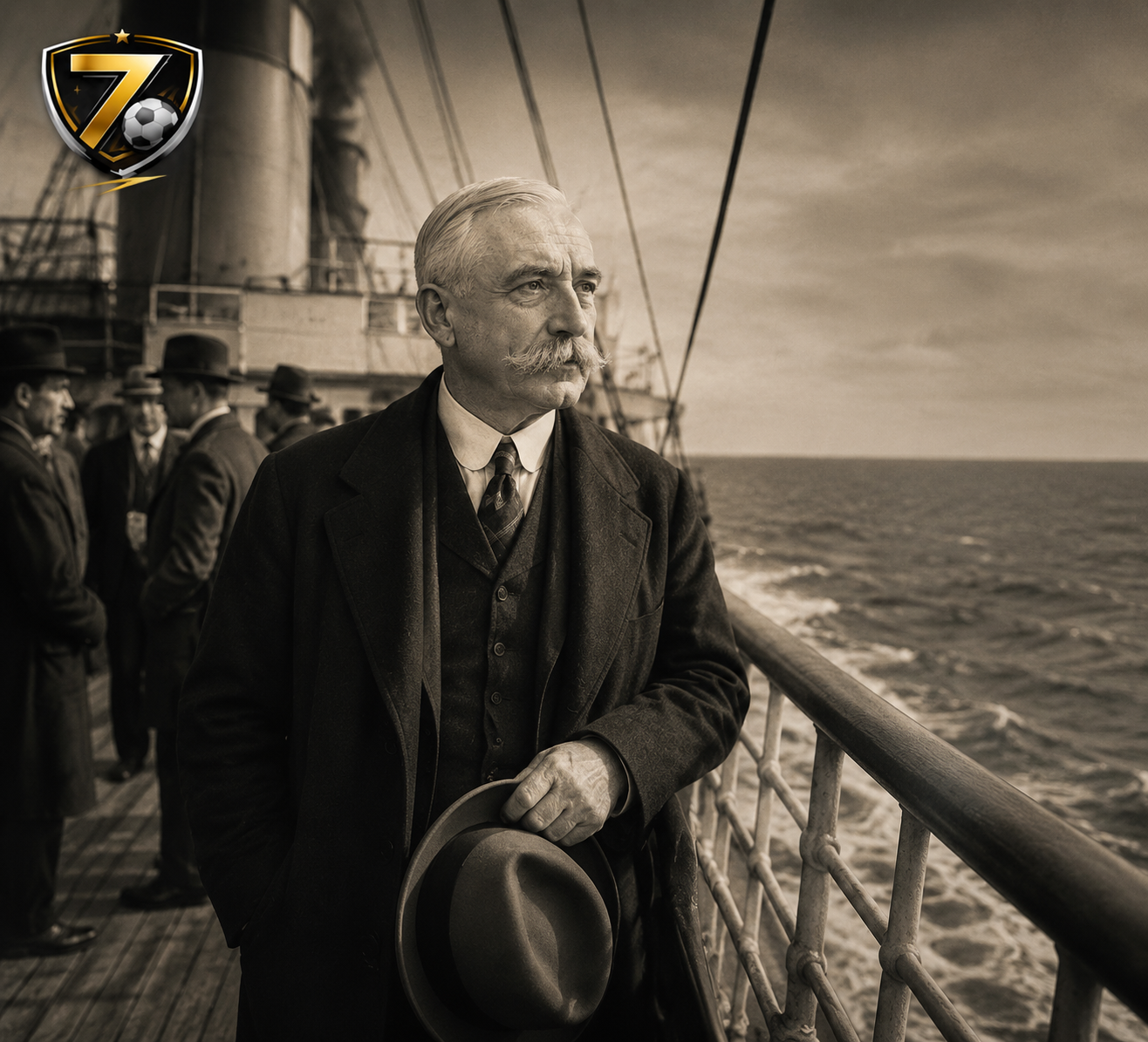
Jules RimetCredit: Sevens Sports Arena
Jules Rimet served as FIFA President for thirty-three years, making him the longest-serving president in the organisation's history. During his leadership, football expanded across continents, new nations joined FIFA and the World Cup developed into the sport's ultimate competition.
His greatest achievement was never winning a match or scoring a goal.
It was giving generations of players the opportunity to chase the greatest dream in football.
Without Jules Rimet, there would have been no Pelé lifting the trophy as a 17-year-old in Sweden. No Maradona inspiring Argentina in Mexico. No Zinedine Zidane dominating the 1998 final in Paris.
No Andrés Iniesta scoring Spain's historic winner in South Africa. No Lionel Messi completing football's greatest fairy tale in Qatar.
Every unforgettable World Cup moment exists because one man believed football deserved something greater.
Perhaps that is why Jules Rimet deserves far more recognition than he receives today.
His contribution cannot be measured in goals or assists. It cannot be summarised by medals or personal awards. Instead, it lives on every four years when billions of people gather to celebrate the world's most beautiful game.
While players become legends on the pitch, Jules Rimet became a legend through his vision.
He gave football its greatest stage.
And every time the World Cup begins, whether in a packed stadium or on television screens across the world, the legacy of Jules Rimet lives on.
The first FIFA World Cup featured only 13 teams.
European teams travelled to Uruguay by ship.
Jules Rimet never played professional football.
He served as FIFA President from 1921 to 1954.
The original World Cup trophy carried his name.
Brazil became the final nation to permanently hold the Jules Rimet Trophy.
The original trophy disappeared after being stolen in Brazil in 1983.
Why This Story Still Matters Today
Modern football generates billions of pounds every year.
The FIFA World Cup is watched by billions of viewers across the globe.
Host nations spend years preparing.
Players dedicate their careers to reaching the tournament.
All of this exists because one man believed football deserved its own world championship.
Jules Rimet did not simply create another tournament.
He created a global tradition that inspires generations.
His story reminds us that history is often shaped not only by those who score the goals but also by those brave enough to imagine something the world has never seen before.
Key Takeaways
●Jules Rimet was the visionary behind the FIFA World Cup.
●He became FIFA President in 1921.
●The first World Cup took place in Uruguay in 1930.
●Only 13 teams competed in the inaugural tournament.
●The original World Cup trophy was named in his honour.
●His vision transformed football into the world's most popular sport.
●Every FIFA World Cup is part of the legacy he created.
Fan Debate
●⚽ Goal: Is Jules Rimet the most influential figure in football history?
●🔥 Fire: Rate his contribution to football out of 10.
●😲 Shock: Were you surprised that the first World Cup had only 13 teams?
●👍 Like: If you enjoy learning football history.
●💬 Comment: Which forgotten football legend should we feature next?
Bookmark Sevens Sports Arena for more football history, exclusive features, breaking news and in-depth analysis from Nigeria and around the world.
Comments (10)
D
Delight
7/29/2026 at 01:07 AM
What a story of jules rimet
R
Rex
7/29/2026 at 01:06 AM
Awesome
A
Aaron
7/28/2026 at 10:52 PM
I like the article it actually adds a lot to the founding of the world cup