
The 2026 season in Formula 1 is shaping up to be more than just another chapter in motorsport history—it is becoming a defining era. With regulation shifts, evolving team strategies, and a grid filled with both elite champions and fearless challengers, Formula 1 is experiencing a transformation that blends innovation with intense human competition.
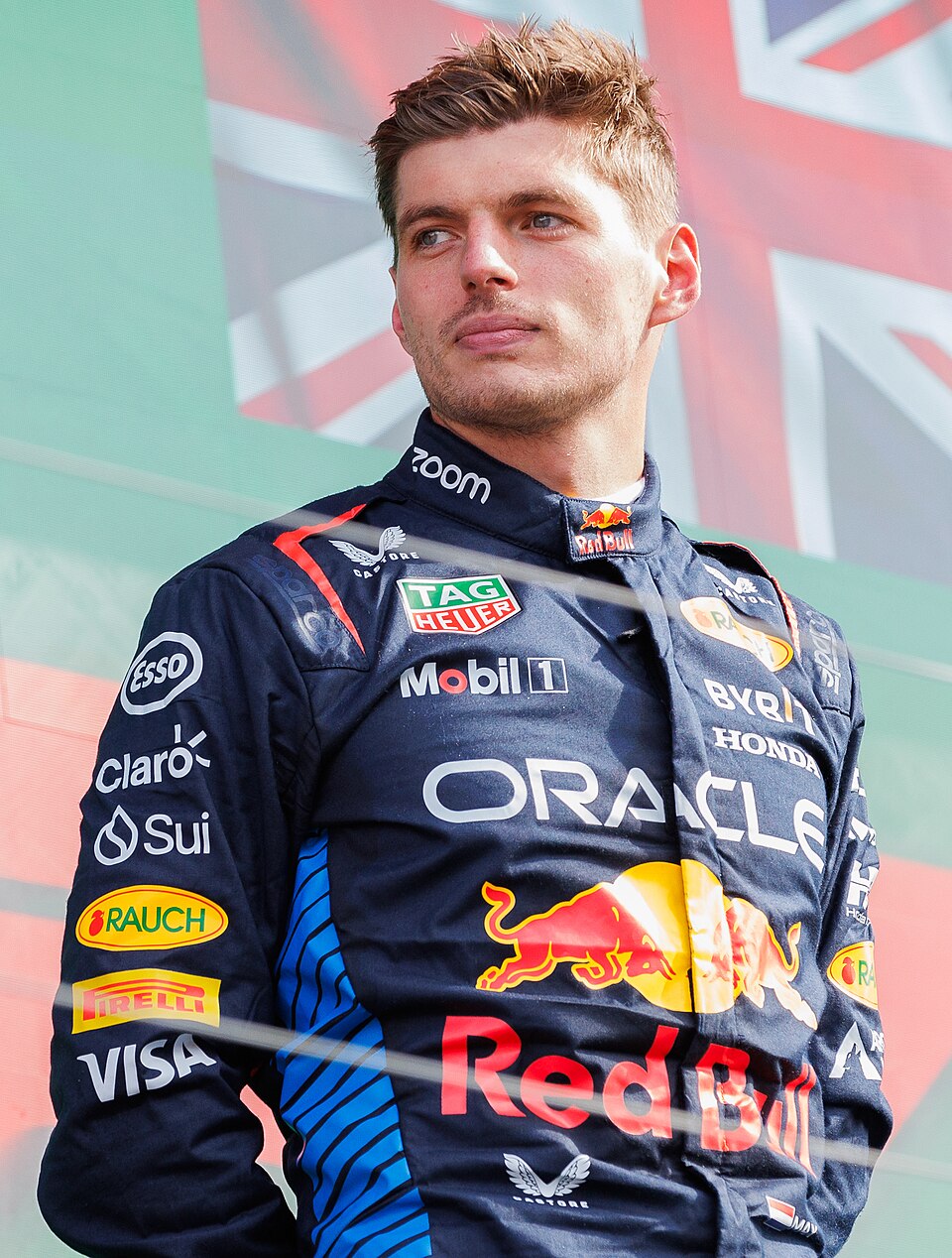
At the heart of this evolution is Max Verstappen, a driver whose dominance over recent years has forced the entire grid to elevate its standards. Yet, unlike previous campaigns, 2026 has introduced a level of resistance that is beginning to test even his exceptional consistency. Verstappen acknowledged this growing pressure, saying: “You can feel how much closer everyone is now. There’s no easy race anymore—it’s a fight every weekend.”
This shift is largely driven by the emergence of drivers like Lando Norris, who has matured into a genuine title contender. His performances are no longer flashes of brilliance—they are sustained, calculated, and impactful. Norris captured this mentality perfectly: “We’ve reached a point where we believe we can win consistently. Now it’s about execution.”
Equally significant is the continued presence of Lewis Hamilton, whose experience remains one of the most powerful assets on the grid. Even in a rapidly changing sport, Hamilton’s ability to adapt and compete at the highest level keeps him firmly in the championship conversation. He reflected on the season’s intensity: “This is what Formula 1 is all about—pushing limits, adapting, and never giving up.”
Beyond individual drivers, the technical battle has become one of the most fascinating aspects of the sport. Teams are locked in a relentless development race, refining aerodynamics, improving power units, and searching for marginal gains that can translate into crucial tenths of a second. In a championship this tight, those margins are everything.
A senior paddock analyst explained: “We’re seeing one of the closest technical competitions in years. The difference between winning and finishing fifth can come down to a single upgrade working perfectly.”
Strategy has also taken centre stage. Race outcomes are increasingly determined not just by speed, but by decision-making—when to pit, which tyres to select, and how to react to unpredictable race conditions. Teams that once relied purely on performance must now combine it with tactical intelligence.
The psychological dimension of Formula 1 has intensified as well. Drivers are operating under immense pressure, knowing that a single mistake can cost valuable points—or even the championship. This mental battle is often invisible to fans, but it plays a critical role in defining success.
Former champions have highlighted this aspect, noting that “the toughest part of a title fight isn’t always the racing—it’s handling everything around it.”
Another key factor shaping the 2026 season is the unpredictability of race weekends. Changing weather conditions, safety cars, and unexpected incidents have introduced an element of chaos that keeps both teams and fans on edge. No lead feels secure, and no result is guaranteed until the chequered flag falls.
The global appeal of Formula 1 continues to grow alongside this competitiveness. New audiences are being drawn in by the drama, the personalities, and the sheer spectacle of the sport. Each race weekend has become an event, blending sport and entertainment in a way few competitions can match.
As the season progresses, attention is turning toward the final stretch—a phase where championships are truly decided. Circuits with unique characteristics will test the adaptability of both drivers and teams. Some will thrive, others will struggle, and the standings could shift dramatically.
Insiders suggest that consistency will ultimately be the deciding factor. “You don’t have to win every race,” one strategist noted, “but you cannot afford bad weekends.”
This balance between aggression and caution is what makes Formula 1 so compelling. Drivers must push to the limit while avoiding the mistakes that could undo an entire season’s work.
Looking at the broader picture, the 2026 season represents a turning point. It is a convergence of generations, where established legends are defending their legacy against a new wave determined to take over. It is a clash of philosophies, where innovation meets experience, and risk meets precision.
Most importantly, it is a reminder of why Formula 1 remains one of the most captivating sports in the world. The combination of speed, strategy, and storytelling creates a spectacle that continues to evolve, season after season.
As the championship battle intensifies, fans can expect more drama, more surprises, and more unforgettable moments. Because in Formula 1, nothing is ever certain—except the pursuit of perfection.
🔥 Fan Debate
Who defines the 2026 Formula 1 era?
🔥 Max Verstappen continues dominance
⚽ Lando Norris leads the new generation
😲 Lewis Hamilton delivers one last masterpiece
👍 A surprise driver changes everything
💬 Join the debate!
Comments (0)
No comments yet. Be the first to share your thoughts!