
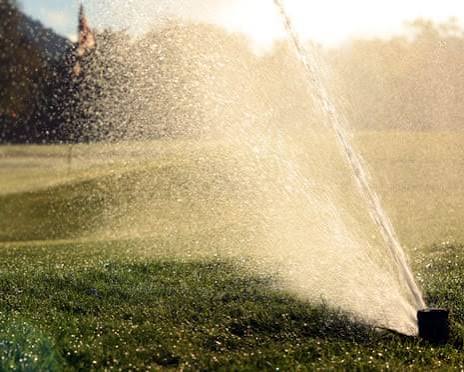
More than 140 golf clubs in England have been linked to water extraction licence breaches over the past five years, according to newly reported Environment Agency data.
The figures have raised fresh questions about how golf courses manage water resources at a time when parts of England are facing drought conditions and increasingly difficult environmental pressures.
There were 279 recorded breaches involving golf clubs between 2021 and 2025. More than one-third involved clubs extracting water beyond permitted limits or during periods when extraction was restricted.
The issue is particularly sensitive because maintaining golf courses can require substantial amounts of water, especially during hot and dry periods.
Environmental campaigners have called for stronger enforcement, while the Environment Agency has said its priority is bringing operators back into compliance.
The data also highlights the growing importance of sustainability within golf.
Clubs are increasingly being encouraged to find ways of reducing their reliance on water extraction. Measures such as reservoirs, wetlands and improved water-management systems could help courses store rainfall and use resources more efficiently.
The controversy comes during a period when England has experienced significant heat and drought concerns, making water management an increasingly important public issue.
Golf clubs therefore face a difficult balancing act. Players expect courses to remain playable and well maintained, but environmental pressures mean traditional maintenance methods are coming under greater scrutiny.
The debate is unlikely to disappear.
As climate conditions become more challenging, golf's relationship with water will remain an important issue for clubs, governing bodies and environmental authorities.
The future of the sport may depend not only on how players perform on the course, but also on how responsibly the courses themselves are managed.
Comments (0)
No comments yet. Be the first to share your thoughts!