Liverpool Ownership Change Confirmed as FSG Sells 30% Stake to Bezos-Backed Consortium
SevensSportsArena
0 comments
Story Confidence: 🟢 Confirmed
Schema: SportsArticle
Liverpool's ownership structure has officially changed after Fenway Sports Group confirmed the sale of a 30 per cent minority stake in the club to a consortium involving Amazon founder Jeff Bezos, Amit Bhatia and other high-profile investors.
The agreement values Liverpool at approximately £5.5 billion, with the minority stake changing hands for around £1.65 billion.
Despite the major investment, this is not a full takeover. FSG will remain Liverpool's majority owner and will continue to control the club's day-to-day operations.
The development nevertheless represents one of the most significant changes to Liverpool's ownership structure since FSG bought the club in 2010.
FSG Remains in Control
The most important point for Liverpool supporters is that Fenway Sports Group has not sold the club.
FSG will retain majority ownership and operational control, meaning the club's overall direction will remain under the existing ownership group.
The new investment instead gives a consortium a significant minority position in Liverpool.
That distinction is important because early reports surrounding the talks had generated speculation about a potential full takeover.
Instead, the agreement creates a new partnership between FSG and a group of wealthy investors looking to become involved with one of the world's biggest football clubs.
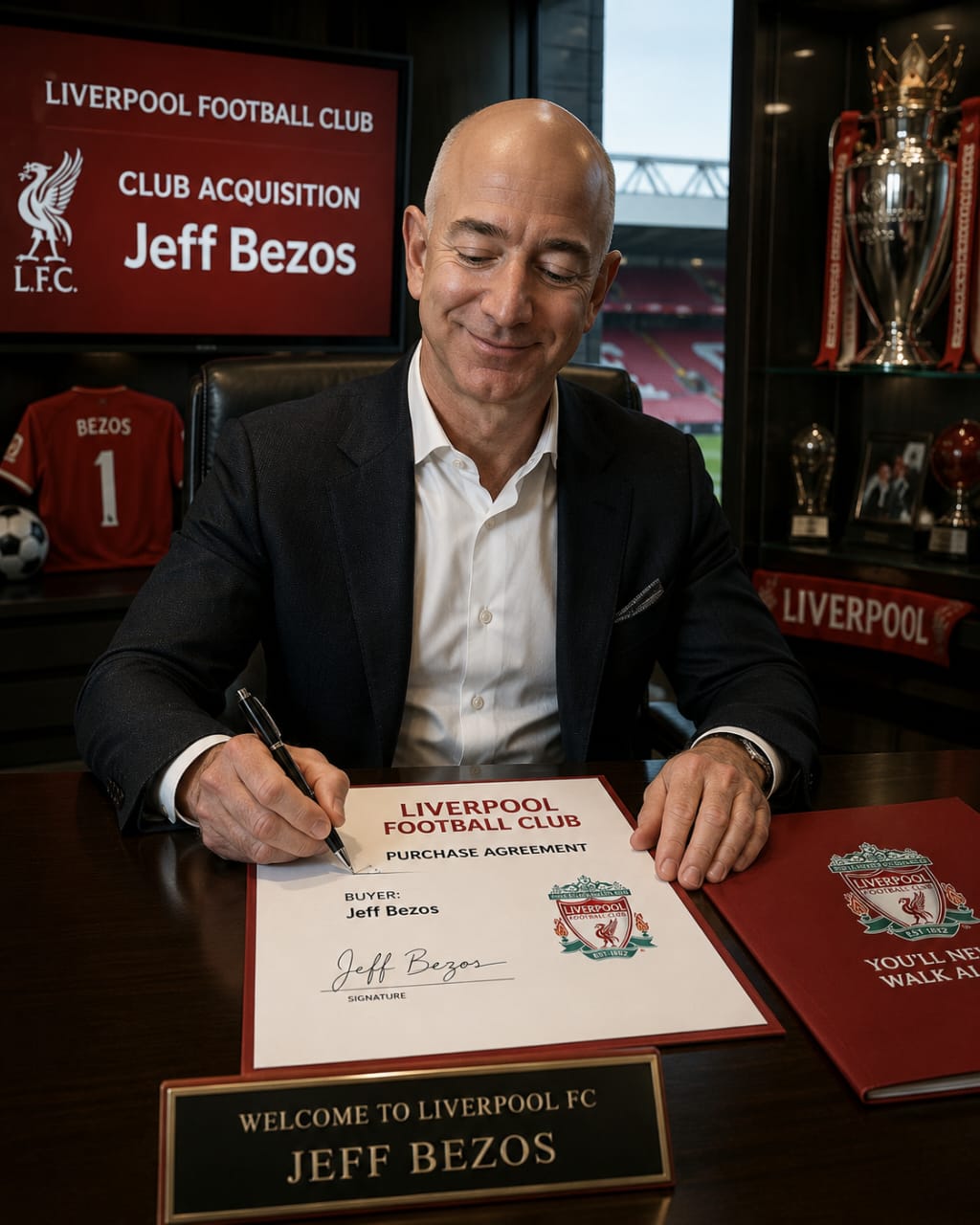
Jeff Bezos Joins Liverpool's Ownership Group
One of the biggest names involved in the deal is Jeff Bezos, the founder of Amazon.
Bezos is participating through the K5 Sports fund and will become a minority investor in Liverpool.
However, he is not expected to take a seat on the club's board.
His involvement nevertheless gives the investment group enormous financial and commercial credibility.
Bezos has previously been linked with investments across professional sport, but his involvement with Liverpool represents a particularly high-profile entry into English football ownership.
The Liverpool investment could also provide opportunities for the club to strengthen its connections with global technology and commercial markets.
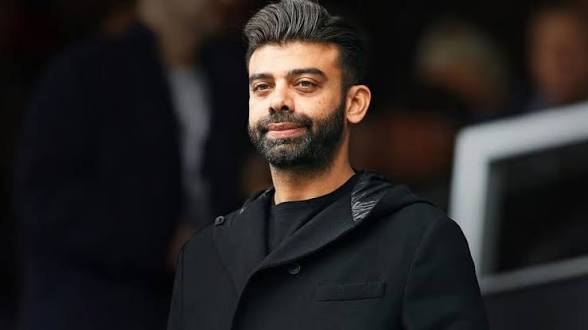
Amit Bhatia Takes a Major Role
The owner of liverpool
While Bezos is perhaps the most recognisable name in the consortium, Amit Bhatia is expected to have a more direct role at Liverpool.
Bhatia is leading the investment group and will become Liverpool's new vice-chairman as part of the agreement.
He has previous experience in football ownership and administration through his involvement with Queens Park Rangers.
His experience in the sport makes him a natural figure to help represent the new investors within Liverpool's structure.
Bhatia's position also means the investment is not simply financial.
He will have a formal role within the club's leadership.
Who Else Is Involved?
The consortium, known as 1892 Holdings, brings together several major investors.
Among those involved are interests connected to the Mittal family, while Eduardo and Elaine Saverin are also part of the investment group.
The consortium's name has particular significance for Liverpool supporters, referencing 1892, the year Liverpool Football Club was founded.
The group is therefore positioning its investment as a long-term partnership rather than a short-term financial play.
Liverpool Valued at £5.5 Billion
The deal places Liverpool's overall valuation at approximately £5.5 billion.
That figure demonstrates the enormous growth in the value of the club since FSG acquired Liverpool in 2010.
At the time of FSG's purchase, Liverpool were acquired for a fraction of today's valuation.
Since then, the club have experienced significant sporting and commercial growth.
Premier League success, Champions League triumphs, expanded commercial partnerships and developments around Anfield have all contributed to Liverpool becoming one of the most valuable football clubs in the world.
The latest transaction provides another indication of the strength of Liverpool's global brand.
Will the Deal Change Liverpool's Transfer Budget?
One of the immediate questions from supporters will be whether the investment means Liverpool can suddenly spend significantly more in the transfer market.
For now, there is no indication that the ownership agreement will automatically transform the club's transfer strategy.
FSG remains in control, and the investment has been described as a strategic partnership rather than a move designed to provide an immediate injection specifically for player recruitment.
Liverpool's transfer spending will continue to be determined by the club's wider financial strategy.
That means supporters should not automatically expect the new investors to finance huge transfers simply because the ownership structure has changed.
Potential Commercial Benefits
The bigger impact could come away from the pitch.
Liverpool already possess one of football's strongest global brands, but the new partnership could help expand the club's commercial reach even further.
The investors involved have extensive connections across technology, finance, entertainment and international business.
That could create opportunities for Liverpool to develop new partnerships and strengthen their presence in important global markets.
Asia, in particular, could become an important area for further commercial growth.
For FSG, bringing in investors with international networks could help Liverpool increase revenues without giving up control of the club.
What It Means for Liverpool Supporters
For supporters, the news represents change without a complete transformation.
The ownership group at the top remains FSG, but there will now be additional voices around the boardroom.
Bhatia's appointment as vice-chairman means the new investors will have a visible presence within the club.
At the same time, Bezos' decision to remain a passive investor means fans should not expect him to suddenly become the public face of Liverpool.
The club's football operations and overall strategy will continue under FSG's leadership.
Why FSG Chose to Sell
FSG has made it clear that the investment is not an indication that the group wants to leave Liverpool.
Instead, the deal is being presented as a way of bringing new strategic partners into the club while allowing FSG to maintain control.
That approach gives FSG access to additional expertise and international connections without surrendering its majority position.
It also allows the ownership group to realise some of the enormous value Liverpool has generated while continuing to benefit from the club's future growth.
A New Chapter at Anfield
The ownership agreement comes at an interesting time for Liverpool.
The club are entering a new sporting era under Andoni Iraola, following the departure of Arne Slot.
Liverpool are also looking to rebuild their squad after a turbulent previous campaign.
The combination of a new manager and a reshaped ownership structure means there is plenty of change surrounding the club.
However, the two developments should not necessarily be viewed as directly connected.
The football operation will remain under FSG's control, while the new investment is primarily about ownership and long-term growth.
Sevens Sports Arena Analysis
The Liverpool ownership change is significant, but it should not be confused with a full takeover.
FSG remains firmly in control.
The major development is that a powerful new group of investors now owns approximately 30 per cent of Liverpool, giving the club access to additional financial expertise and an impressive network of global business connections.
Bezos' involvement will naturally generate the most headlines, but Bhatia's role could ultimately prove more important on a day-to-day basis.
His appointment as vice-chairman gives the consortium a direct presence within Liverpool's leadership structure.
For Liverpool, the challenge will be ensuring the new partnership strengthens the club without disrupting the stability that has been established under FSG.
The investment could help Liverpool expand commercially, particularly in international markets, while maintaining the existing footballing structure.
For supporters hoping for a massive transfer spending spree, however, expectations should remain realistic.
This is an ownership investment, not a complete takeover or an immediate change in football strategy.
What happens over the next few years will determine whether the partnership becomes one of the most important developments in Liverpool's modern history.
For now, one thing is certain.
Liverpool's ownership structure has changed, but FSG remains in control. A Bezos-backed consortium has acquired a 30 per cent stake, creating a powerful new partnership around one of the biggest clubs in world football.
Comments (0)
No comments yet. Be the first to share your thoughts!