A Split-Second Changed Everything! Why Kylian Mbappé’s Penalty Against Real Betis Was Not Retaken
SevensSportsArena
0 comments
A split-second appeared to change everything for Real Madrid.
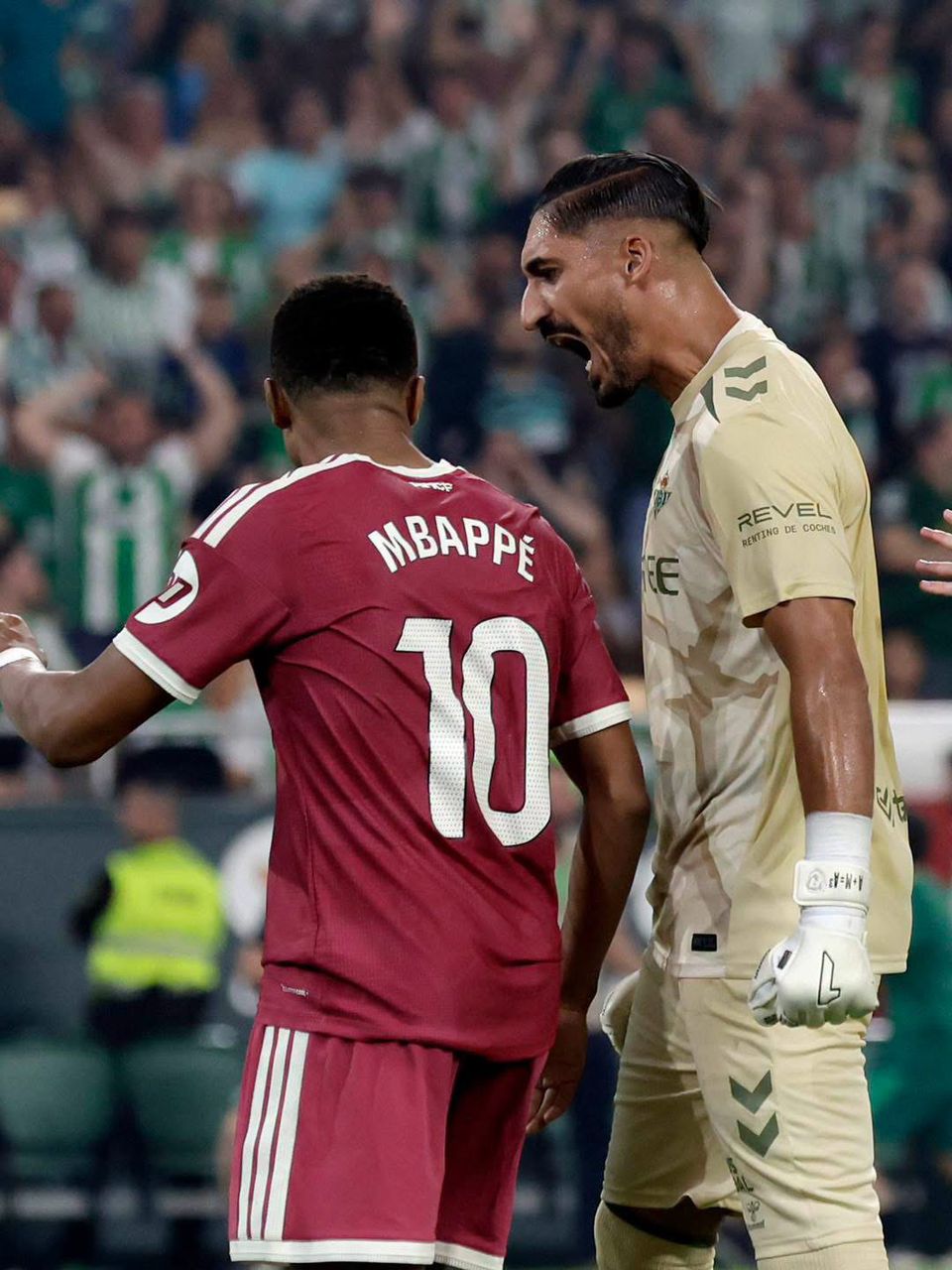
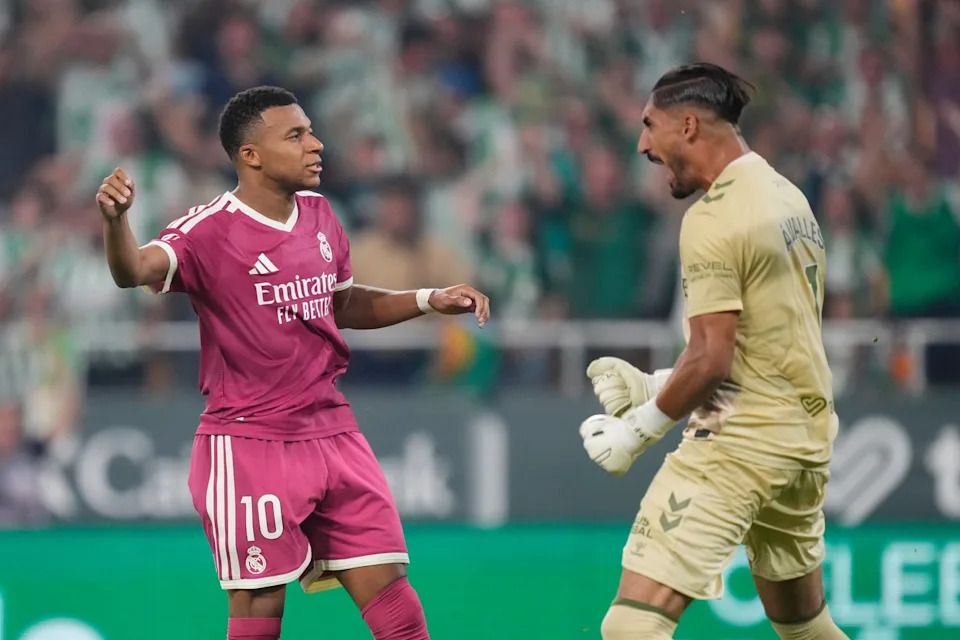
With José Mourinho’s side trailing Real Betis 1-0 deep into stoppage time, Kylian Mbappé had the chance to rescue a point from the penalty spot. Álvaro Valles saved the Frenchman’s effort, but almost immediately, attention shifted away from the goalkeeper’s heroics.
Replays appeared to show Real Betis defender Marc Bartra entering the penalty area before Mbappé struck the ball.
Real Madrid players protested. Questions were raised. And with Bartra subsequently involved in stopping the rebound, many expected the penalty to be retaken.
It never was.
The reason comes down to one tiny detail that is easy to miss when watching the replay.
The Moment That Sparked the Controversy
The penalty was awarded after Natan fouled Vinícius Júnior inside the Betis penalty area.
Mbappé stepped forward with Real Madrid desperately searching for an equaliser after Troy Parrott had put Betis ahead earlier in the second half.
The Real Madrid forward's effort was saved by Valles.
However, Bartra immediately became part of the controversy as he moved towards the rebound.
Television replays appeared to show the experienced defender crossing the penalty-area line before Mbappé made contact with the ball.
That led to the obvious question:
Should the penalty have been retaken?
At first glance, it looked like a straightforward case of encroachment.
But the laws contain an important qualification.
The Detail Everyone Missed
According to the interpretation applied by the refereeing authorities, a player is considered to have encroached into the penalty area when at least one foot is in contact with the ground inside the area at the moment the penalty is taken.
That is where Bartra's movement became crucial.
Although his body appeared to have crossed the penalty-area line, he was still airborne.
His feet had not yet made contact with the ground inside the area when Mbappé struck the ball.
That meant the incident did not meet the definition of an infringement requiring the penalty to be retaken.
In other words, the replay created an optical impression that Bartra had encroached, but the precise timing of his foot placement meant there was no punishable encroachment.
And that tiny distinction ultimately settled the controversy.
Why Bartra Was Still Able to Challenge for the Rebound
There is another important part of the sequence.
Mbappé's penalty was saved by Valles and the ball remained in play.
Bartra then prevented Madrid from taking advantage of the rebound.
That understandably intensified the frustration because the defender appeared to have gained an advantage from his positioning.
However, because Bartra had not committed an encroachment offence when the penalty was struck, his subsequent involvement did not automatically make the original kick illegal.
The International Football Association Board's Law 14 specifically makes the impact of encroachment important when determining whether a penalty should be retaken.
The crucial point in this particular incident was even more fundamental: the refereeing authorities did not consider Bartra to have encroached in the first place.
Why VAR Did Not Intervene
The decision also explains why there was no VAR intervention leading to a retake.
The VAR reviewed the incident and the decision was allowed to stand.
According to the refereeing interpretation reported after the match, Bartra's position in the air meant he had not committed the offence.
It is a perfect example of why penalty incidents can sometimes look completely different in real time compared with a frame-by-frame analysis.
A television replay can make it appear as though a player is already inside the area.
But the laws are concerned with the precise instant the ball is kicked — and, crucially, where the player's feet are at that exact moment.
What the Law Actually Says
Law 14 governs penalty kicks.
It states that players other than the kicker and goalkeeper must remain outside the penalty area, behind the penalty mark and at least 9.15 metres from it until the ball is kicked.
However, the application of encroachment depends on the circumstances and whether the infringement has an impact on the outcome of the kick.
For example, if a defending player clearly encroaches and the penalty is saved, the kick can be retaken if that encroachment has an impact.
Likewise, when players from both teams encroach and the penalty is saved with both involved in the subsequent play, a retake can be required.
But that was not the situation as judged in Bartra's case.
The defender's apparent movement across the line happened while he was still in the air.
That split-second mattered.
A Brutal Ending for Real Madrid
For Madrid, the technical explanation will do little to soften the disappointment.
They had dominated significant periods of the match but struggled to turn their opportunities into goals.
Troy Parrott's 81st-minute goal gave Betis the lead after Courtois had initially saved a header, while a spectacular Carlos Espí effort was later ruled out for offside.
Then came Madrid's final opportunity.
Mbappé had the responsibility from twelve yards.
Valles stood between Madrid and an equaliser.
The Betis goalkeeper won the duel.
Madrid's protests over Bartra's position followed, but the decision remained unchanged.
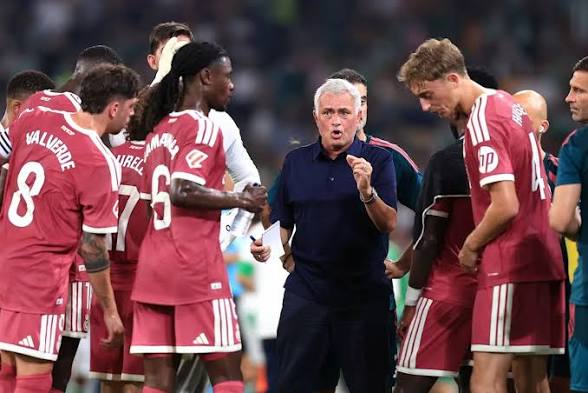
The final whistle confirmed Betis' 1-0 victory and handed Mourinho his first defeat of the season.
The Bigger Lesson
The incident is a reminder that football's laws can hinge on incredibly small details.
From the stands, Bartra appeared to have stepped into the area.
From one camera angle, it looked even clearer.
But when the crucial frame was examined, the defender was airborne.
His feet had not yet touched the ground inside the penalty area.
That meant the difference between “he entered the area” and “he committed a punishable encroachment” came down to fractions of a second.
And in a match decided by a single goal, that distinction became enormous.
Final Verdict
The controversy surrounding Mbappé's missed penalty is understandable, particularly because Bartra subsequently played a role in preventing Madrid from attacking the rebound.
However, under the refereeing interpretation applied to the incident, the penalty did not need to be retaken because Bartra had not placed a foot on the ground inside the area when Mbappé kicked the ball.
A remarkable example of how football can be decided by the smallest possible detail.
Fan Debate
⚽ Goal: The referees were right to allow the penalty decision to stand because Bartra was airborne.
🔥 Fire: Real Madrid were unlucky because Bartra clearly appeared to gain an advantage from his position.
😲 Shock: A matter of fractions of a second decided whether Mbappé would get another chance from the penalty spot.
👍 Like: This incident shows why understanding the exact wording of the Laws of the Game matters.
💬 Comment: Do you agree with the decision not to retake Mbappé's penalty?
Comments (0)
No comments yet. Be the first to share your thoughts!