
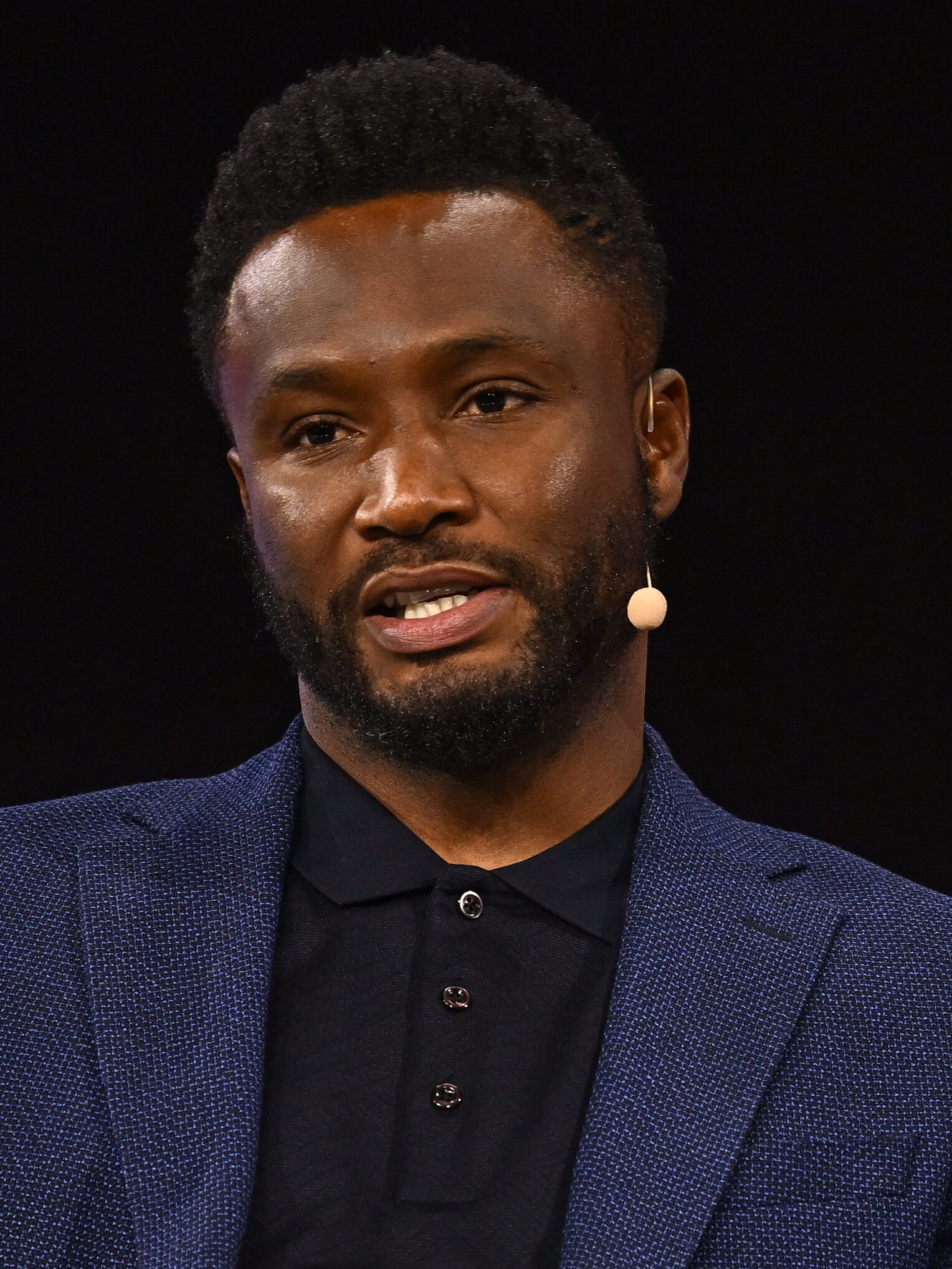
John Obi Mikel Reveals Unfulfilled AFCON Promise as Former Super Eagles Captain Questions Nigerian Football Leadership
More than a decade after leading Nigeria to Africa Cup of Nations glory, former Super Eagles captain John Obi Mikel has revealed that one of the rewards promised to the victorious squad has still not materialised. Speaking during a recent podcast appearance with former England striker Peter Crouch, Mikel disclosed that he has never received the plot of land pledged to each player by the Nigerian government following the country's triumph at the 2013 AFCON in South Africa.
The former Chelsea midfielder's comments have reignited debate about how sporting heroes are rewarded after bringing success to their nation. Beyond discussing the unfulfilled promise, Mikel also expressed frustration with the administration of football in Nigeria, arguing that meaningful progress will remain difficult unless governance improves.
Coming from one of Nigeria's most decorated footballers, the remarks carry significant weight. Mikel captained the Super Eagles through one of the country's most memorable footballing achievements and remains a respected voice on issues affecting Nigerian football.
The Promise That Never Arrived
Nigeria's victory at the 2013 Africa Cup of Nations ended a 19-year wait for continental success and sparked celebrations across the country.
As part of the recognition for the team's achievement, the administration of then-President Goodluck Jonathan announced a package of rewards for the players, including national honours, financial bonuses and a promise that each member of the squad would receive a plot of land.
However, according to Mikel, one part of that reward has never reached him.
Reflecting on the celebrations, the former midfielder explained that while the squad received a warm welcome after returning home, he still does not know what became of the land that was promised.
His revelation has prompted fresh questions about whether every commitment made to the AFCON-winning squad was fully honoured.
More Than Just a Plot of Land
For Mikel, the issue appears to be about more than the value of the land itself.
His comments highlight a broader concern regarding how governments and football authorities fulfil commitments made to athletes who deliver historic success for their country.
Winning the Africa Cup of Nations remains one of the greatest achievements in Nigerian football history. Many supporters believe that players who help deliver such moments deserve to see every official promise honoured.
While some members of the 2013 squad have previously indicated they received aspects of the reward package, Mikel's latest comments suggest his own experience has been different. At present, there has been no new official response from the Nigerian government addressing his latest remarks.
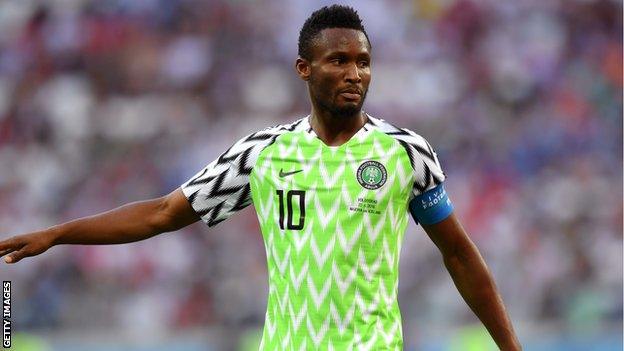
Mikel's Wider Concerns About Nigerian Football
The discussion did not end with the unfulfilled land promise.
During the same interview, Mikel turned his attention to the wider state of football administration in Nigeria.
The former captain criticised what he described as a lack of football expertise among some administrators and argued that individuals who have remained in influential positions for many years are preventing meaningful progress.
He suggested that resources should be directed more effectively towards developing the game and improving structures for future generations of players.
These comments are consistent with positions Mikel has taken in recent years. He has repeatedly spoken about governance issues within Nigerian football, including concerns over player welfare, delayed payments and the long-term direction of the national team.
Expert Analysis: Why Mikel's Revelation Matters
John Obi Mikel's comments have resonated because they go beyond one player's personal experience. They touch on an issue that has surfaced repeatedly in football and other sports: the gap between public promises and their implementation.
When governments, football associations or sporting bodies announce rewards after major victories, those commitments become part of the legacy of that achievement. If any of those promises remain unfulfilled, it risks creating disappointment among the athletes who delivered success and raises broader questions about accountability.
Mikel's remarks also come at a time when Nigerian football is striving to build a stronger reputation both on and off the pitch. While the Super Eagles continue to produce talented players who compete for Europe's biggest clubs, many observers believe administrative reforms remain essential for the country's long-term progress.
The Lasting Legacy of the 2013 AFCON Triumph
Nigeria's victory at the 2013 Africa Cup of Nations remains one of the defining moments in the country's football history.
Led by the late Stephen Keshi, the Super Eagles overcame strong opposition to lift the trophy in South Africa, ending a 19-year wait for continental glory. That squad inspired millions of supporters and demonstrated the quality of Nigerian football on the African stage.
For many fans, the players who delivered that success deserve lasting recognition. Mikel's latest revelation has therefore reopened conversations about how national heroes should be honoured long after the celebrations have ended.
What This Means for Future Super Eagles Players
Although Mikel's comments relate to events that followed the 2013 AFCON, they could influence future discussions about player welfare and trust.
Current and future Super Eagles players will naturally expect commitments made by football authorities and government officials to be fulfilled. Delivering on such promises helps strengthen confidence between players and administrators, while unresolved issues can create unnecessary tension.
Football has become increasingly professional, and many national associations now recognise the importance of transparent communication and accountability. Nigerian football faces the same challenge as it seeks to remain competitive at the highest level.
Can Nigerian Football Move Forward?
Despite his criticism, Mikel has consistently expressed his desire to see Nigerian football succeed.
Throughout his playing career and since retirement, he has frequently spoken about the country's enormous footballing potential. Nigeria continues to produce talented players who feature in Europe's top leagues, while the national teams remain capable of competing for major honours.
However, Mikel believes that talent alone is not enough.
Improved administration, investment in grassroots football, better facilities and stronger governance will all be essential if Nigeria is to maximise its potential over the coming years.
His latest comments should therefore be viewed not simply as criticism, but as part of a wider conversation about how Nigerian football can continue to grow.
What Happens Next?
As of now, there has been no new official response addressing Mikel's latest claims regarding the promised plot of land. If government officials or the relevant authorities issue a statement, it could provide further clarity on the matter.
Meanwhile, Mikel is expected to continue his work as a football analyst and podcast host, where he regularly discusses major issues affecting the game in Nigeria and around the world.
His comments are likely to keep the conversation alive among supporters, former players and football administrators.
Conclusion
John Obi Mikel's revelation serves as a reminder that football's greatest achievements are remembered not only through trophies but also through how those achievements are recognised.
More than a decade after helping Nigeria win the Africa Cup of Nations, the former captain says one of the rewards promised to him remains outstanding. Whether that issue is eventually resolved or not, his comments have reignited an important discussion about accountability, player welfare and the future direction of Nigerian football.
Mikel's legacy as one of Nigeria's greatest footballers is already secure. His latest remarks, however, show that his commitment to improving the game in his country extends far beyond his playing career.
Key Takeaways
- ✅ John Obi Mikel says the plot of land promised to the 2013 AFCON-winning squad has not been delivered to him, according to his recent interview. (pulsesports.ng)
- ✅ He also criticised aspects of football administration in Nigeria, calling for better governance and development. (pulsesports.ng)
- ✅ There has been no new official response to his latest remarks at the time of writing.
- ✅ The discussion has renewed debate about how sporting heroes should be rewarded and how Nigerian football can improve its administrative structure
⚽ Fan Debate
Comments (0)
No comments yet. Be the first to share your thoughts!