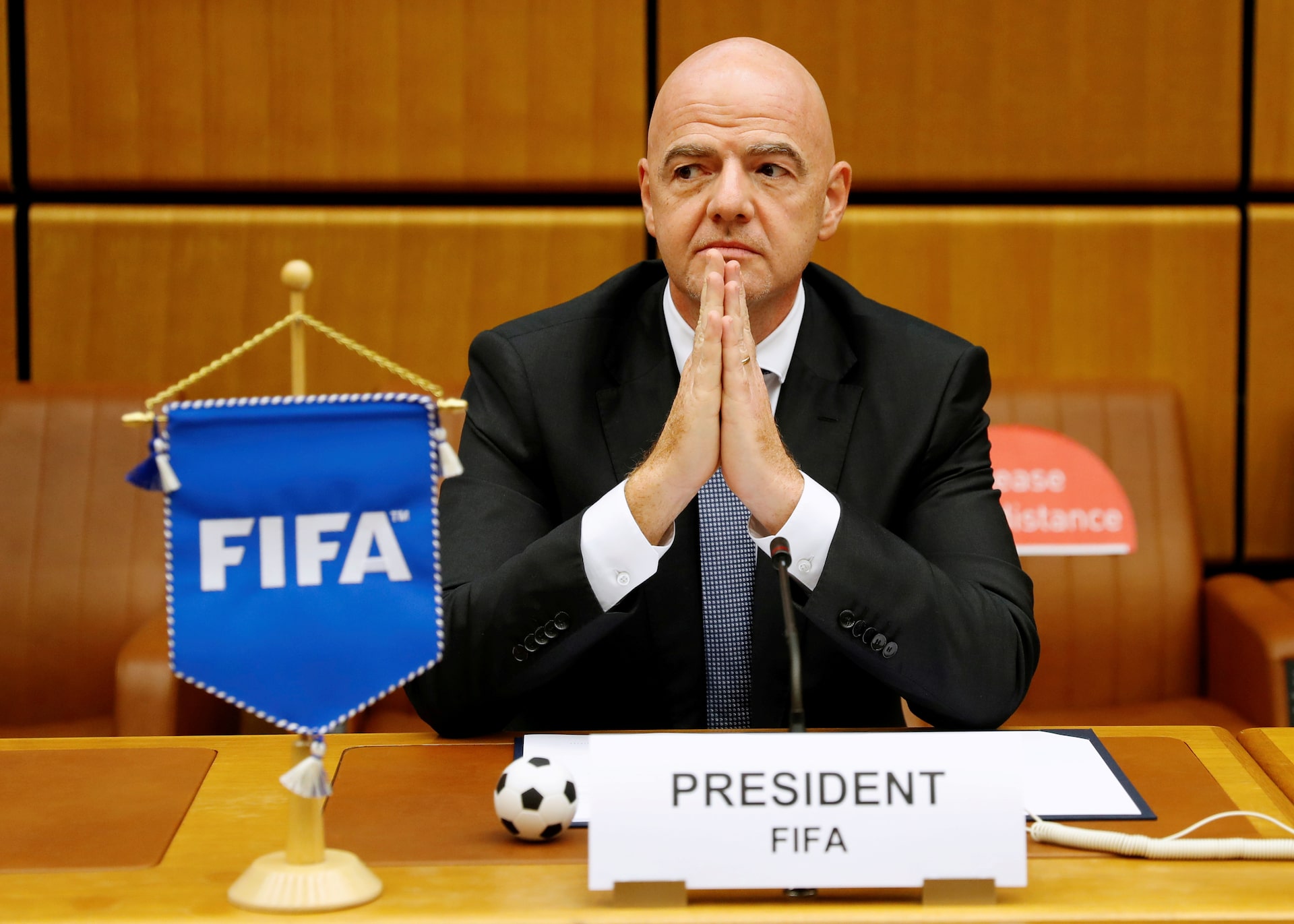
Germany’s Football Association (DFB) has withdrawn its support for Gianni Infantino ahead of the next FIFA presidential election, in a significant move that highlights growing unrest within European football.
The decision comes amid increasing criticism of FIFA’s leadership, with several federations now reconsidering their stance as tensions rise before the upcoming vote.
The German FA declined to sign a letter endorsing Infantino’s re-election, signalling a clear shift away from previous support.
This move places Germany among a group of European nations distancing themselves from FIFA’s current leadership, reflecting deeper concerns over governance and decision-making processes.
The decision follows a wave of controversy surrounding FIFA, particularly criticism linked to recent disciplinary rulings and allegations of political interference.
Reports indicate that multiple European federations have been unsettled by how key decisions have been handled, with transparency and accountability becoming major points of concern.
The German FA has not publicly backed an alternative candidate, but its refusal to endorse Infantino sends a strong message ahead of the election.
Germany’s stance reflects a broader shift within UEFA, where support for Infantino is no longer unanimous.
Several federations are now exploring the possibility of backing alternative candidates, with discussions intensifying as the election approaches.
While Infantino is still expected to retain significant global backing, particularly outside Europe, his position appears less secure than in previous election cycles.
The decision follows a wave of controversy surrounding FIFA, particularly criticism linked to recent disciplinary rulings and allegations of political interference.
Reports indicate that multiple European federations have been unsettled by how key decisions have been handled, with transparency and accountability becoming major points of concern.
The German FA has not publicly backed an alternative candidate, but its refusal to endorse Infantino sends a strong message ahead of the election.
Germany’s stance reflects a broader shift within UEFA, where support for Infantino is no longer unanimous.
Several federations are now exploring the possibility of backing alternative candidates, with discussions intensifying as the election approaches.
While Infantino is still expected to retain significant global backing, particularly outside Europe, his position appears less secure than in previous election cycles.
The FIFA presidential election is expected to take place later this year, with nominations and alliances likely to shape the final outcome.
Germany’s withdrawal could influence other federations to reconsider their позиции, potentially opening the door for a contested election rather than an uncontested reappointment.
For FIFA, the coming months will be critical in determining whether confidence in its leadership can be restored.
The German FA’s decision to withdraw support from Gianni Infantino marks more than a political shift—it signals a turning point in the balance of power within global football.
As Europe’s leading football nation distances itself from FIFA leadership, the move raises broader questions about governance, transparency, and the future direction of the sport.
While Infantino may still command widespread backing globally, the erosion of trust among key European federations could reshape the dynamics of international football politics.
In the long term, this moment may be remembered not just for its impact on an election, but for how it redefined accountability at the highest level of the game—leaving an enduring impact on FIFA’s structure and credibility moving forward.